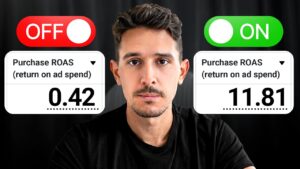
Keep new-customer acquisition visible across Facebook and Google
This walkthrough coordinates the two ad platforms around acquiring new buyers while maintaining existing customers. It focuses on audience definitions, exclusions, and campaign roles so a change in one channel does not obscure what is happening in the other.
Define engaged and existing customers
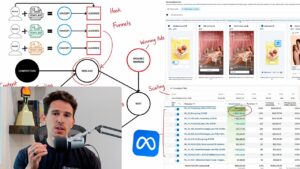
The Facebook setup uses visitor and engagement audiences alongside purchase lists. Keep the definitions accurate and review how much each group receives. Separating those relationships helps explain whether the account is generating new acquisition or repeatedly spending on familiar customers.
Check which controls actually restrict reach
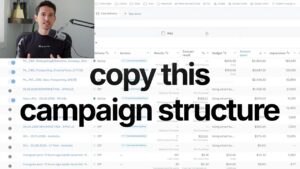
The recording distinguishes audience suggestions from stronger controls in the interface shown. Read the current setup carefully and verify delivery afterward. An exclusion or label is useful only if it produces the intended customer mix in the live account.
Coordinate the Google campaign roles
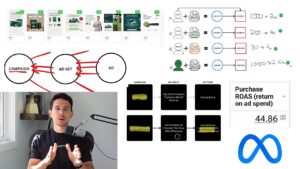
The Google section pairs more acquisition-focused Performance Max activity with controlled coverage for existing brand demand. Inspect brand searches and customer settings separately. The goal is deliberate spending on each job rather than abandoning existing customers or letting them dominate every campaign.
Review attribution across the whole journey
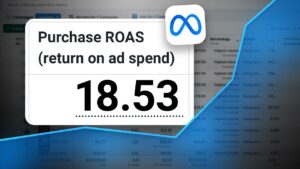
Changing customer coverage on Facebook can change which other channel receives credit for a purchase. Compare store outcomes and the role of each platform after the change. A sudden improvement in one report is not automatically evidence that the whole business became more efficient.