Four decisions that make Facebook ads easier to scale
When you raise spend, you reach more people who need time before buying. Reacting immediately by replacing campaigns can trap the account in a cycle of resets. This video connects patient measurement, clear targets, and a repeatable creative process.
1. Give new demand time to convert
The first dollars often reach people closest to purchasing. Extra spend can reach people earlier in their buying journey. A short-term ROAS decline needs investigation, but it does not automatically mean you should rebuild the account. Consider the time it takes new prospects to become customers.
2. Set one KING GOAL
Choose the result that allows the business to sustain itself and grow. Use supporting metrics, such as cost per cart or checkout, to diagnose progress toward that goal. Avoid giving every metric an independent target that competes with the business's main objective.
3. Match budget moves to the evidence
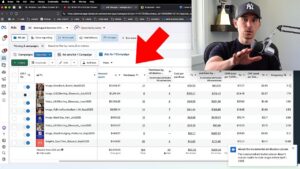
Review 30-day, 14-day, seven-day, three-day, and yesterday's results. A strong monthly average can conceal recent deterioration. When results support scaling, choose the size of the move based on how far you are above target, your cash flow, and your tolerance for risk.
4. Keep producing iterations of winners
Identify creative that combines high spend with performance above target. Build around its proven concept: pair a working hook with a different body, or test a new hook against a working offer and CTA. This gives you more useful directions than starting every ad from scratch.
Measure profit alongside efficiency
The highest ROAS is not always the best business outcome. Evaluate how a change affects total purchases and profit, while keeping the economics of your business in view. Scaling decisions should serve that outcome rather than chase an impressive dashboard number.
Video chapters
- 0:00 The scaling challenge
- 0:54 Why ad performance changes as spend grows
- 4:28 Setting a KING GOAL
- 7:16 Choosing scaling move sizes
- 10:20 The creative flywheel
- 12:56 Scaling decisions and business profit