Use AI to accelerate a clear ad creative strategy
AI can make creative production faster, but producing more assets is not a strategy by itself. This walkthrough connects brand context, competitor research, creative packs, and iterations of actual winners.
1. Give the tool product and brand context
The demonstration starts with the website and product information, then builds a brand context file. Add guidelines, useful claims, and things the brand should avoid. Select the product the brief is about so the output does not drift into a generic ad for the category.
2. Use research to build concepts
The workflow studies competitors and public ad-library examples, then organizes outputs by angle and concept. Treat public activity as inspiration rather than proof of profitability. When first-party performance is available, it adds information the public library cannot supply.
3. Review the output before launching
The video accepts some generated concepts and rejects others. Check the message, product details, brand fit, and format rather than assuming every image deserves spend. Keep the creative framework in charge of the tool, with the avatar and problem guiding the brief.
4. Give new creative a controlled test
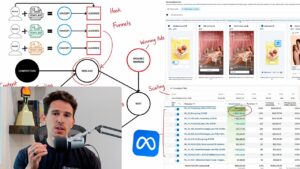
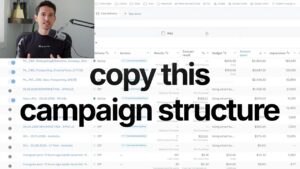
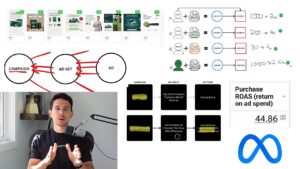
Launch each new round in its own pack within the prospecting campaign. The example groups related avatars and uses a temporary seven-day minimum, with testing kept proportionate to the total budget. Remove the minimum after the test period so it does not become permanent forced spend.
5. Build the next round from winners
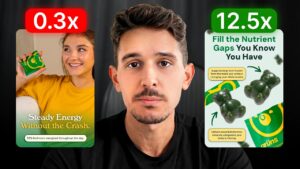
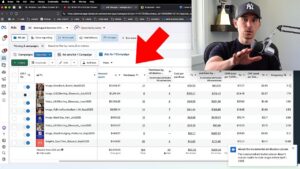
Review meaningful spend and performance, including the attribution comparison demonstrated in the video. Create variations around strong concepts. A new hook, structure, or treatment should represent a real test rather than a one-word change made only to increase the asset count.
Video chapters
- 0:00 AI as an accelerator for creative strategy
- 2:00 Building brand and product context
- 4:00 Competitor research and creative angles
- 5:52 Reviewing generated concepts
- 9:33 Launching creative packs and test minimums
- 11:50 Identifying and iterating on winners