Build the Google account around products and available volume
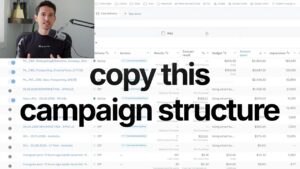
This 2024 structure lesson adds campaign layers as the business develops. It emphasizes the difference between a manageable foundation and a fragmented account, with product performance and customer intent guiding where the next split belongs.
Let the budget support the structure
The video starts with fewer campaigns and expands when there is enough activity. Avoid splitting a small budget across many separate learning environments. Each added campaign should answer a useful question or provide control the simpler structure could not give you.
Identify the products driving the business
The product analysis compares Google and store sales reports over matching periods. Use those findings to define best sellers and the remaining catalog. Make the split from actual performance rather than assuming a fixed percentage of products always deserves most of the budget.
Separate brand coverage from acquisition goals
The recording demonstrates brand controls and distinct branded activity. Check the current settings and the actual search terms to understand their effect. A clearer division helps prevent a strong brand return from setting unrealistic expectations for the acquisition campaign.
Introduce non-brand search deliberately
The final structure adds non-brand search at a more developed stage. Review its interaction with Performance Max and judge the combined result. Additional campaigns should improve useful reach or control rather than simply move the same reported purchases between campaign columns.