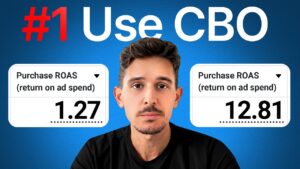
The campaign decisions behind this large ecommerce month
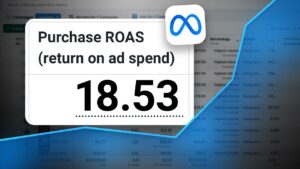
This case review begins with store results, then examines the Google campaigns used during the period. The revenue figures are the example's reported outcomes; the transferable work is how products, targets, and brand demand were organized.
Keep business revenue separate from attributed revenue
The opening store dashboard and the individual campaign reports describe different views of performance. Use both without treating every store sale as independently proven to have been caused by Google. Attribution gives useful context, with the full business outcome needed to evaluate the strategy.
Group products where control is useful
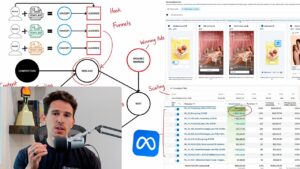
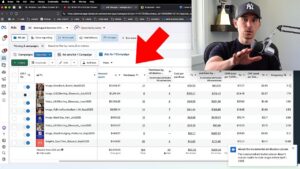
The walkthrough discusses listing groups and separate campaigns for product cohorts at larger budgets. A split needs a reason such as different economics or a different target. Keep enough activity in each group to evaluate the additional control it provides.
Balance budget with the required return
The Performance Max example uses a return target connected to the business's economics, then considers how it behaves as spending grows. A target is a bidding constraint rather than a promise. Review actual volume and contribution after changing either the budget or the efficiency requirement.
Give brand search a defined role
The branded campaign organizes core terms and relevant product names. Keep those queries distinct from generic category demand when reviewing results. This makes it easier to see which activity captures existing brand interest and which part of the system is intended to reach new prospects.