Connect Google campaigns with customer data and clear targets
This 2024 account review covers customer lists, audience observation, campaign roles, and return goals. Its core lesson is to understand what the data is doing before treating an audience signal or campaign setting as an optimization by itself.
Connect relevant customer lists
The examples use CRM audiences such as recent visitors, purchasers, and higher-value customers. Keep the list definitions and update process understandable. Different lists answer different questions, and their presence alone does not establish that a campaign is restricted to those people.
Distinguish observation from targeting
The walkthrough separates observing audience performance from limiting delivery to an audience. Inspect the current campaign type and control before applying either approach. The distinction matters when interpreting the report or deciding whether a group should receive a different message or allocation.
Set return and acquisition goals from the business
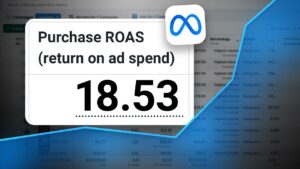
The recording connects order value, cost per purchase, and return targets. Review the assumptions behind those numbers and keep the purchase conversion setup consistent. A goal needs to reflect what the store can afford rather than another account's reported result.
Keep each campaign's job visible
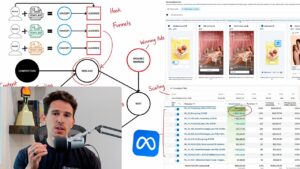
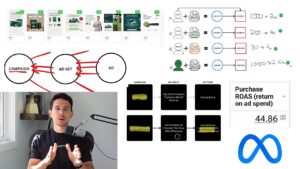
The structure combines brand coverage with broader product acquisition activity. Review search traffic, customer groups, and store results together to understand the division. The useful outcome is a clearer spending decision, not a guarantee from simply importing more audiences or adding another campaign.