The attribution changes discussed in this Meta update
This recording reviews an announcement about conversion measurement and offers the speaker's interpretation of what might follow. Read it as a historical update and analysis, especially where the video describes features that were planned rather than already generally available.
Define which conversions matter to the business
The opening examples distinguish new and repeat purchases and discuss different business values. Before changing optimization, confirm that the events and values reflect the store's goals. More reported conversions are not automatically more useful if the underlying actions are defined inconsistently.
Distinguish reported credit from incremental impact
The announcement discussed an incremental attribution option intended to estimate purchases that would not otherwise happen. The video explains why that can change the apparent result. Keep the model's estimate distinct from ordinary attributed totals and from independently established causal evidence.
Evaluate new integrations deliberately
The discussion considers third-party measurement and cautions against rushing into every new integration. Understand what data it sends and how it affects optimization. A new reporting connection needs a clear use case and a way to evaluate whether it improves business decisions.
Expect a less linear customer journey
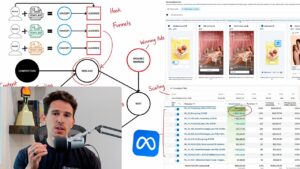
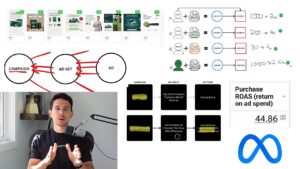
The examples show customers encountering several platforms and touchpoints before buying. Use that context when interpreting a platform's claim on a sale. Review the store outcome alongside channel reports instead of assuming one fixed funnel describes every purchase.