Keep creative testing clear when formats change
This video explains why the team moved away from grouping similar iterations inside a flexible ad unit. The alternative keeps concepts grouped in ad sets while making the individual assets easier to inspect and evaluate.
Inspect what the customer actually sees
The examples show similar images appearing together in a carousel and automatic crops changing the composition. A format can sound useful in setup while producing an awkward result in a placement. Review the rendered experience instead of judging the upload alone.
Give each concept a clear home
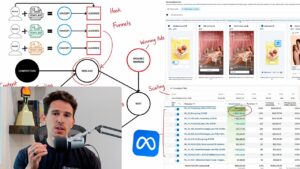
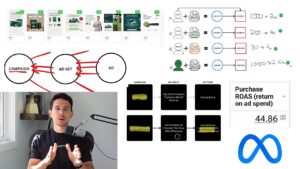
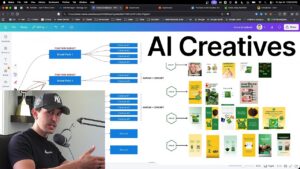
The replacement workflow groups iterations of one concept in an ad set. Those versions can test different hooks, openings, or treatments while remaining connected to the same idea. This preserves a useful grouping without hiding every variation inside one combined unit.
Give new groups a controlled opportunity
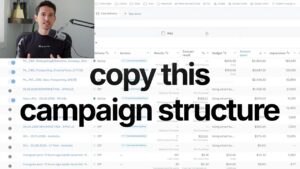
The walkthrough uses ad set minimums to help a new creative group gather evidence. The amount needs to fit acquisition cost and the account budget. A spending floor supports a test; it is not evidence that every asset in the group deserves more money.
Use the results to brief the next round
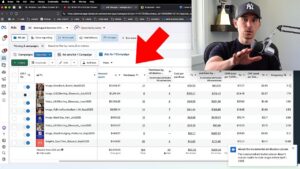
Review individual ads by spend and purchase performance, with the attribution comparison shown in the video adding another perspective. Identify what the stronger assets have in common, then develop more versions around that concept. Clear reporting makes the creative flywheel more useful than simply increasing production volume.