A three-stage approach to building a Google ads account
The video describes how to move from a simple starting structure to deeper analysis and more deliberate optimization. The amount of complexity should follow the budget and evidence available, rather than the number of campaign types you could create.
Start with a structure the budget can support
For a small ecommerce budget, the recording favors a limited initial setup over many fragmented campaigns. Its Performance Max example is a starting point for that situation. Keep each campaign supported by enough spending and conversion activity to evaluate it.
Do a proper review before expanding
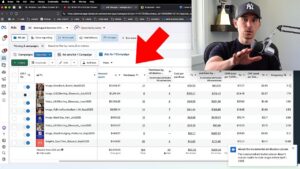
The analysis stage examines spending, search terms, ads, purchases, and earlier customer actions. Write down the findings in one place so patterns can be compared. The goal is to understand what the account has learned before adding more campaign layers.
Choose between efficiency and additional volume
When a campaign spends its budget and exceeds its ROAS goal, the video separates two decisions: increase budget at the same target or pursue greater efficiency. Connect that choice to business needs rather than assuming a higher ROAS is always the only objective.
Improve inputs and investigate delivery
Later work covers ad quality, the product feed, and breakdowns such as time, demographics, and destination. Use those findings to guide adjustments appropriate to the campaign. A more developed account earns its complexity through evidence, not through copying another brand's layout.