Scale new-customer acquisition with a clear return target
This case walkthrough follows a brand through a substantial increase in spend. It focuses on which customer groups received the extra budget and how the chosen ads performed under different attribution views.
Compare the customer mix before and after
Separate new, engaged, and existing customers when reviewing the two periods. The recording shows most of the additional spend going toward new audiences. This matters because a higher overall budget does not automatically mean the business is buying more new-customer reach.
Judge volume alongside the required return
The example accepts some ROAS reduction while revenue and purchases grow. That tradeoff needs a business-specific floor. Model the contribution from the added volume rather than assuming either a lower ratio or a larger revenue number settles the decision on its own.
Use attribution views to choose ads
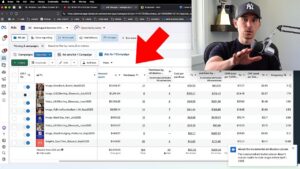
The walkthrough compares click and view windows and the incremental reporting available in the account. It also compares overall and new-audience results for individual creatives. These views help evaluate candidates; a reporting comparison alone does not prove the causal effect of an ad.
Look for acquisition strength that can support spending
The selected ads show useful results among new audiences, alongside their broader performance. Use that evidence to decide where more budget belongs. Monitor the business after each increase so the scaling decision remains connected to profitable acquisition rather than the campaign average alone.