Scale with customer mix, contribution, and demand in view
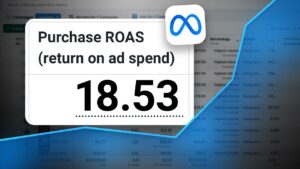
This video works through a live scaling example and a spending simulation. It explains why more new-customer acquisition can change the blended ROAS, and why budget decisions need a clearer objective than maintaining the same account average.
Know which audience receives the increase
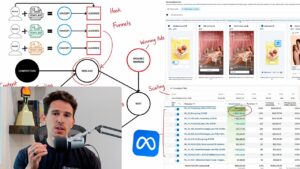
Review new, engaged, and existing customer groups before adding spend. The walkthrough uses exclusions to make those lanes clearer. Additional acquisition budget should have an identifiable purpose, rather than simply increasing exposure to the customers already easiest to convert.
Model the effect on the whole business
The simulation increases prospecting while holding warm-audience spending steadier. Blended ROAS can fall as the mix changes. Compare the extra revenue and contribution with the cost instead of rejecting the decision solely because the overall ratio is lower.
Use performance to inform the next step
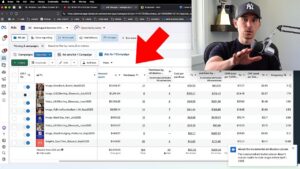
The recording challenges a fixed small-increase rule and demonstrates more assertive scaling in its example. That approach still needs a defined return target and close observation. A successful increase in one account is not a guarantee that any budget jump is affordable.
Check demand as the day develops
The later example reviews store conversion rate and revenue by hour before considering another increase. Use that information alongside spend and purchase timing. The practical lesson is to connect a scaling decision with current business demand rather than the budget field alone.