Connect spending patterns, structure, and cost controls
This video identifies three areas to investigate when growth stalls: when the budget is spent, how the account is organized, and whether bidding reflects the business target. The examples connect these decisions rather than treating each as an isolated trick.
Examine time and day patterns
The walkthrough starts by comparing performance at different times and days. Equal spending every day is a default, not proof of the best allocation for the store. Use sufficient history and business context before testing a different distribution of the budget.
Avoid both unstructured simplicity and fragmentation
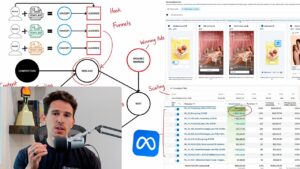
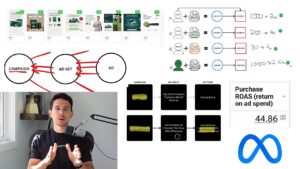
The recording contrasts a small collection of undifferentiated campaigns with a large, confusing set of campaigns and ad sets. The proposed alternative gives each part a clear function. Add complexity because it helps a decision, not because more settings are available.
Match retention messages to purchase behavior
The retention example distinguishes one-time purchasers from repeat buyers. Those groups may need different product introductions or reasons to return. Keep the audience definitions connected to the message instead of using the same treatment for every person who has ever purchased.
Base caps on the actual economics
The cost-control section emphasizes that order value, conversion rate, products, and site changes affect the appropriate target. Establish a functioning system before adding caps. Revisit the target when the business changes rather than treating one acquisition number as permanent.