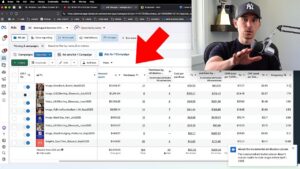
Coordinate the sales strategy around new-customer acquisition
This recording connects Facebook and Google campaign choices with a stronger focus on new buyers. The useful distinction is between acquiring another customer and repeatedly taking credit for people who already know the brand.
Read the customer mix before scaling
The video discusses click-based reporting and different acquisition views. Review new and existing customer activity alongside those attribution choices. A campaign average can look strong while telling you little about whether the next budget increase will find more new customers.
Give creative and product groups a clear purpose
The Facebook examples include regular creative tests and a product-value-focused campaign. Keep the reason for each group visible and evaluate it against the business target. An added campaign should create a useful opportunity, not duplicate the same work under a different label.
Separate Google brand demand from broader reach
The Google setup combines brand coverage with acquisition-focused campaigns and discusses brand exclusions. Check the actual search traffic and current controls to understand the division. Brand terms and existing customers are related reporting questions, but they are not the same audience definition.
Measure growth across the whole store
Use the campaign results together with revenue and customer outcomes. The structure is meant to make spending more deliberate, with repeat business still supported appropriately. Judge whether the combined system improves useful acquisition rather than optimizing one platform's apparent share of credit.