Understand the bid-cap setup demonstrated in this 2024 lesson
This recording presents a bid-controlled campaign example, including budget headroom, initial settings, and later review. It is an advanced operating choice that needs context from the account's economics and actual ability to spend.
Distinguish the bidding options
The walkthrough chooses a bid cap rather than a cost-per-result goal. Understand which constraint the campaign is using before copying the setup. A bid cap affects the auction bid and is not a guaranteed maximum cost for every purchase reported afterward.
Model budget headroom deliberately
The example sets the campaign budget above its intended spending level so the bidding constraint can determine delivery. That makes the budget a permission ceiling, not a spending forecast. Only use headroom the business can afford if delivery increases.
Allow evidence before adjusting the control
The recording discusses starting with room for delivery and tightening after observing results. Keep the initial target connected to the account and review it over an appropriate period. Repeatedly changing the number makes it harder to understand what the setup can actually achieve.
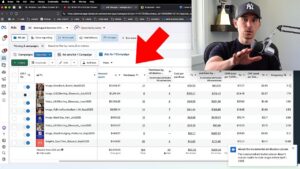
Assess underdelivery alongside performance
Some example ad sets barely spend under the constraint. Investigate creative, audience, and the target before assuming they simply need more budget. A useful bidding system must produce affordable volume, not just a low acquisition number on a very small amount of activity.