Structure prospecting, retargeting, and retention around the customer
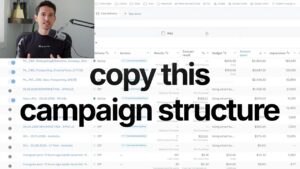
This campaign tutorial separates three jobs in the account and demonstrates the audiences behind them. It is an earlier interface walkthrough, with the useful lesson that each campaign should represent an actual stage of the customer relationship.
Give prospecting a defined acquisition role
The demonstration uses a single detailed interest as one prospecting example. Keep the test understandable and compare it with the wider acquisition process. An interest name is a starting hypothesis about the customer, not evidence that the audience will be profitable.
Retarget from the business's own activity
The retargeting section uses website events and custom audiences rather than treating a prospecting interest as a warm audience. Define the visit or action that qualifies someone and the period it covers. Check the current controls so the actual delivery fits that intention.
Define purchasers separately
Retention starts with customers who have completed a transaction. Use the appropriate purchase data and avoid confusing that group with people who only visited or added to cart. A clear distinction lets the message and budget follow the customer's real relationship with the store.
Give recent buyers time for the product experience
The walkthrough excludes very recent purchasers from some follow-up activity. Choose a window that fits fulfillment, use, and likely repeat demand. A customer who has just ordered may need delivery and product guidance before another purchase-focused message is appropriate.