Read Facebook performance from spend through the purchase funnel
This analysis lesson explains the reporting columns used to assess an ecommerce account. It connects purchase return with earlier customer actions and delivery metrics, helping identify where to investigate rather than making a decision from one number.
Start with a useful amount of evidence
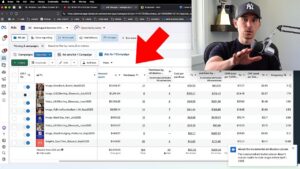
The recording reviews a longer period and cautions against judging ads immediately after launch. Consider spending, time, and purchase volume together. A few early outcomes can produce an unstable ratio, especially when the product takes more than one visit to sell.
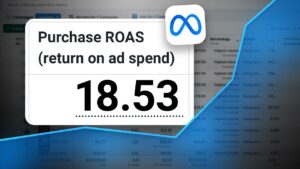
Compare acquisition cost with order value
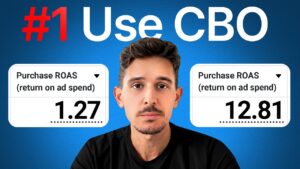
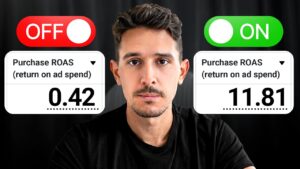
Cost per purchase and ROAS describe related but different parts of the result. A higher acquisition cost can accompany higher-value orders. Review the product mix and contribution behind the numbers before assuming the cheapest purchase is always the best business outcome.
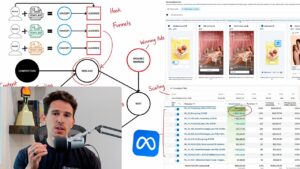
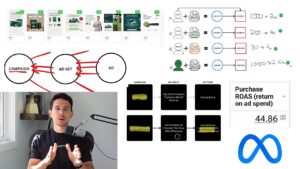
Follow the steps before purchase
Cart additions and initiated checkouts show different levels of intent. Compare those actions with completed orders to locate a possible drop-off. They help diagnose the experience, but they are not interchangeable with revenue or evidence that a campaign is profitable.
Read exposure alongside response
Reach, impressions, frequency, and CPM explain delivery, while click metrics help show response. Use the customer group and reporting period when interpreting frequency. A single universal cutoff is less useful than understanding whether repeated exposure is still producing affordable results for that audience.