The M4 system for running Facebook ads
This walkthrough brings account structure, creative, analysis, and cost controls into one operating system. Start with a clear foundation, then add the controls your account actually needs.
1. Give each campaign a purpose
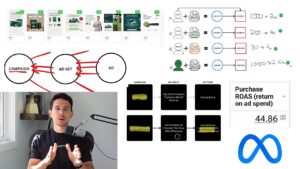
Prospecting focuses on acquiring customers, while retention brings past purchasers back. Retargeting can be separated when audience breakdowns show too much budget going to engaged users. The optional scale campaign concentrates proven ads. Keep those jobs clear when reviewing results.
2. Launch concepts in creative packs
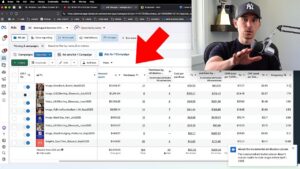
Group each new concept into its own ad set, or pack, under a campaign budget. Name packs by avatar and concept so you can read the account later. The video demonstrates temporary minimum spend for testing and explains why the test allocation needs to stay proportionate to the total budget.
3. Feed a creative flywheel
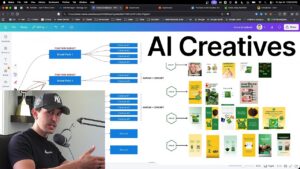
Call out a specific avatar, explain the problem, position your product as the solution, and present the offer. After giving ads time to run, identify winners using meaningful spend and your target KPI. Create iterations around those ideas, with competitor research supplying additional inspiration.
4. Use breakdowns to find useful differences
Inspect age, gender, platform, placement, day of week, and time of day. The objective is to understand where performance differs before changing delivery. The walkthrough shows value rules as a more selective tool than simply excluding every weaker audience.
5. Treat cost controls as an advanced tool
Cost and bid controls can constrain delivery, including leaving budget unspent. They are not a repair for weak creative or a poor offer. The video introduces them after the foundation, creative process, and analysis are in place, with targets tied to the economics of the business.
Video chapters
- 0:00 Introducing the M4 system
- 1:17 Prospecting, retention, and optional campaigns
- 5:50 Building the prospecting campaign
- 17:05 Adding new creative packs
- 26:40 The creative flywheel
- 27:31 Breakdowns and the fastest-horse approach
- 31:23 Cost controls and delivery trade-offs