A five-step system for managing Facebook ads
The account needs a repeatable way to launch creative, separate customer groups, control weak spots, and identify the next opportunity. This video connects those tasks into a five-step operating process.
1. Keep testing inside prospecting
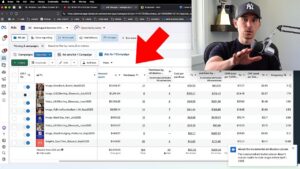
The setup uses a prospecting CBO with each new creative round launched in a new pack. Group the ads by avatar and concept. A temporary minimum helps new creative get a fair test, while a limit on the overall testing allocation protects the budget available to established performers.
2. Separate existing customers
Exclude retention audiences from prospecting and serve them through a dedicated retention campaign. This makes it easier to see whether additional acquisition budget is reaching prospects or repeatedly reaching people who already bought. Give retention its own offers and review its frequency.
3. Make trimming systematic
Do not treat every weak period as a reason to pause an ad set. The walkthrough introduces maximum spend limits as a way to reduce pressure on a group while allowing budget to move elsewhere. Use the account's data to decide when a limitation or a pause is appropriate.
4. Build creative from avatars and angles
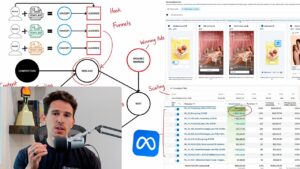
Start with the person you want to reach and the problem the product solves for them. Combine that avatar with an angle and a creative template to form a concept. This gives each creative round a clear purpose instead of testing variations with no distinct message.
5. Run regular breakdowns
Review age, gender, placement, country, audience type, and timing. The video highlights day of week as a useful place to start. Find where performance consistently differs, then use that evidence to guide the next decision rather than distributing attention and budget equally by habit.
Video chapters
- 0:00 The five-step operating system
- 1:05 Prospecting and creative testing
- 5:12 Separating existing customers
- 7:23 A systematic kill switch and spend controls
- 10:40 Avatars, angles, and ad concepts
- 13:05 Deep dives and day-of-week analysis