Build Performance Max around proven products and the remaining catalog
This tutorial separates stronger-selling products from the rest of the catalog while walking through the campaign inputs. The split is based on observed sales, with customer settings, assets, and return targets supporting the role of each campaign.
Identify the products from actual reports
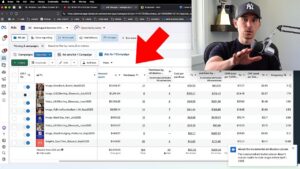
The example compares Google product results with Shopify sales and notes differences caused by variants or item structure. Define the stronger group from the evidence rather than assuming exactly twenty percent of items always drive eighty percent of sales. Keep the reporting periods comparable.
Check customer and brand controls
The setup reviews new-customer settings, customer lists, geography, and exclusions. These controls serve different purposes and depend on the data available to recognize customers. Inspect actual search traffic and delivery afterward instead of treating the settings as perfect identification of every buyer.
Supply relevant creative and signals
The walkthrough builds assets and search themes around the products. Keep generated suggestions relevant and inspect the finished message. Audience signals guide the system; they should not be confused with a firm limit on who can receive the campaign.
Give the remaining catalog a defined target
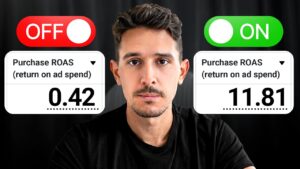
The second campaign, called the zombie campaign in the recording, holds the other products under an explicit efficiency requirement. Review whether it delivers useful volume within that constraint. A separate campaign should make allocation more deliberate rather than leave weaker products spending without a clear goal.