Set advertising targets from the store's contribution model
This spreadsheet walkthrough connects margins, acquisition spending, and a chosen profit goal. It distinguishes the overall business efficiency measure from an individual platform's ROAS, so budget decisions can be tied to the outcome the store needs.
Build the cost assumptions first
The model starts with the revenue and expense inputs used to estimate break-even. Confirm what the margin includes and keep the figures current. A quick planning model is useful only when its simplified assumptions do not leave out costs that materially affect contribution.
Separate break-even from the desired profit
The recording then adds a profit requirement and calculates the corresponding efficiency goal. Use the business's actual requirement rather than copying the example percentage. A target above break-even creates room for profit, with the amount depending on how the model defines its costs.
Use the target to frame the budget decision
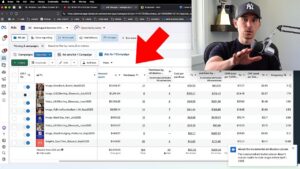
The account example considers additional spend when performance is stronger than the chosen goal. That is a tradeoff between efficiency and customer volume. Monitor the result after changing budget rather than assuming every extra dollar will perform like the historical average.
Review store revenue against total ad spending
The final section uses total store revenue and combined advertising spend for its blended measure. Keep that calculation distinct from true profit and platform-attributed revenue. Use the cost model alongside it to decide whether the business is actually achieving the intended contribution.