The operating shifts behind this Facebook ads walkthrough
The recording connects a simpler campaign foundation with more deliberate creative production and measurement. Its practical theme is to make use of automation while checking where the spending goes and what kind of customers it reaches.
Keep the foundation understandable
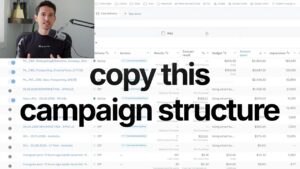
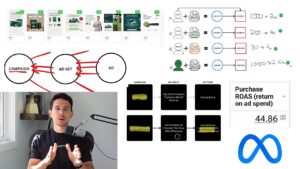
The demonstrated prospecting setup starts broad and uses standard attribution, then examines additional reporting views when reviewing results. Keep the relationship between the campaign goal, audience, and measurement clear. A simpler setup still needs a defined reason for each campaign.
Define the customer groups
The walkthrough separates prospects, engaged audiences, and existing purchasers. Purchase audiences include both pixel windows and a longer customer list where available. Check the actual list coverage so the account's customer labels reflect the people it can recognize.
Turn strong creative into more useful tests
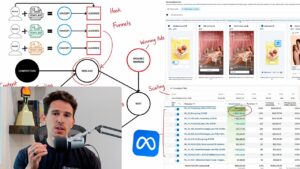
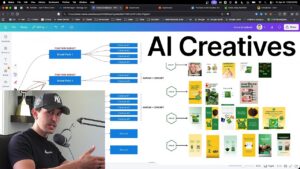
The creative examples show a successful concept becoming multiple variations. Use the original message as the anchor while changing meaningful elements. A repeatable iteration process can produce more learning than treating every new ad as an unrelated creative project.
Use acquisition results to guide growth
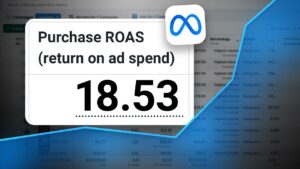
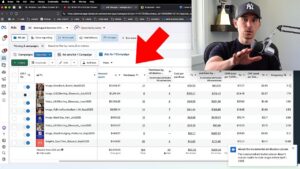
The reporting section asks what return the new-audience segment produces. Watch that result when increasing spend instead of relying only on the blended campaign average. The business needs a return target that still supports its margins and cash requirements.