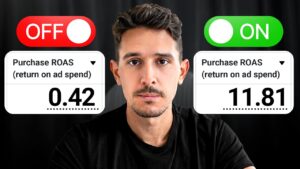
Use account evidence to decide where Facebook should spend
The walkthrough builds an analysis around stronger opportunities, clear audience segments, and a graduation process. It questions whether the default distribution of spend matches the business, then shows how to turn that question into a test.
Recalculate performance from the underlying totals
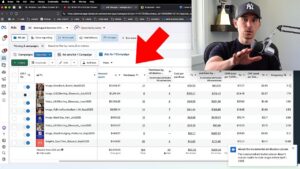
For the day-of-week analysis, export spend, purchases, and purchase value. Sum those values in the pivot and calculate ROAS and cost per purchase from the totals. Summing or averaging precomputed ratios can produce a misleading comparison between days.
Compare more than one breakdown
The video extends the review to groups such as age, gender, platform, and landing page. Inspect where money goes alongside the resulting purchases. Look for a meaningful mismatch before changing delivery rather than assuming the default allocation is best for every business.
Make warm audiences explicit
Review the retargeting and retention definitions instead of relying on a broad audience suggestion. Check purchase exclusions and the intended reach. A warm-audience campaign should have a clear role in following existing interest or reaching people who have purchased before.
Use winners to inform the next test
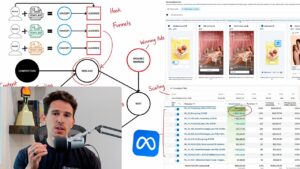
The demonstrated process moves strong ads into scale and single-interest tests. Those tests investigate additional customer pockets alongside broad delivery. Keep the original winning work available and judge the expanded setup by what it contributes to the whole account.