Four operating changes behind the ROAS improvement example
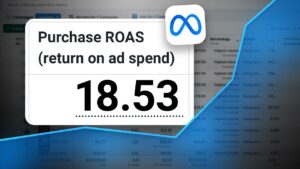
The video brings together testing efficiency, a scaling mechanism, customer segmentation, and timing analysis. The headline result describes the example in the recording; the steps below explain the decisions to examine in your own account.
Question automatic testing budgets
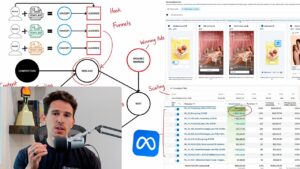
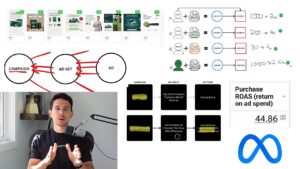
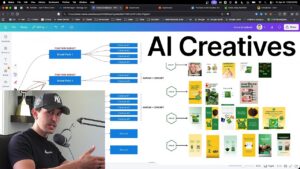
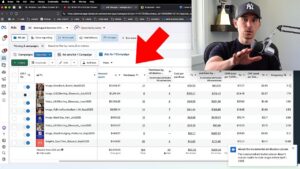
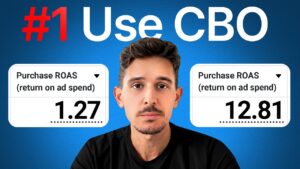
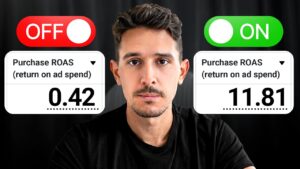
The demonstrated approach lets new creative compete within the prospecting CBO instead of guaranteeing equal spend to every test. Review whether a dedicated test budget is moving money away from stronger ads. The goal is useful learning with less unnecessary spending.
Create a place for proven ads to scale
The scale campaign begins small and grows as qualified ads enter it. Select candidates from actual performance rather than creative preference alone. Keep this campaign focused enough that it serves a clear scaling role instead of becoming another collection of untested uploads.
Separate the customer journey
Prospecting, retargeting, and retention use distinct audience roles in the walkthrough. Check exclusions and purchase lists so acquisition campaigns do not simply return to existing customers. That distinction makes a budget increase easier to interpret when reviewing the results.
Compare performance by day of week
The timing analysis looks across Facebook, Google, and Shopify rather than one platform alone. Recalculate results from the underlying totals and examine enough history to see a pattern. Use the findings to consider budget changes where customer demand and returns differ.