The campaign structure behind this 2025 account example
This case walkthrough connects a prospecting system, a scaling campaign, and scheduled creative reviews. The reported improvement belongs to the example account; the useful process is how campaign roles and repeated decisions work together.
Make the structure support profitable growth
The recording frames revenue and contribution as the purpose of the setup. A campaign layout is useful when it helps the business acquire customers within its targets. Keep those targets visible rather than treating a higher platform ROAS as the only sign of progress.
Use spend and return to identify candidates
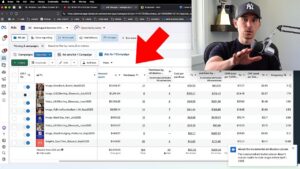
The creative review sorts by spending and compares useful performance, including click-based reporting. An ad with meaningful delivery gives a different signal from one with a high ratio on minimal spend. Use that evidence to choose which creative deserves more opportunity.
Keep interest tests interpretable
The demonstration uses one detailed interest per test so the result answers a clearer question. Run the test within the wider prospecting system and compare it with the account's goal. Avoid stacking unrelated audiences when that would make the outcome difficult to explain.
Schedule the graduation work
The video describes a regular review window for graduating qualified ads and dealing with weak work. A consistent routine compounds across many rounds of creative. Keep the system moving without rebuilding the account every time a new concept or a short-term fluctuation appears.