Most people launch Facebook ads and immediately start refreshing the dashboard, watching their money disappear. Then they reset everything and do it all over again. In the last 12 months, we at The Moonlighters have managed over $70 million for seven, eight, and nine-figure brands. The one thing we know for certain is this: what you do after you launch your ads matters more than how you set them up.
Here are the 11 things we do every single time.
1. Leave It Alone
This sounds obvious, but it’s the most common mistake we see. People launch their ads, make tiny tweaks constantly, and never give things a chance to work. The funnel is not instant. It might take 3, 5, 7, even 20 impressions before someone buys. On our own ad account, we know it takes more than a dozen impressions on average before someone books a call with us.
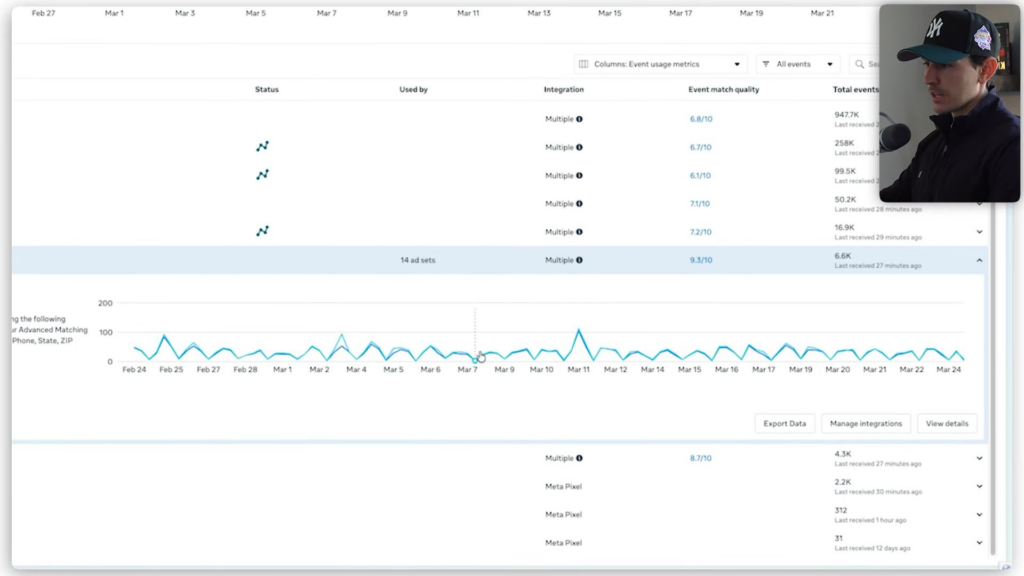
2. Do a Pixel Gut Check
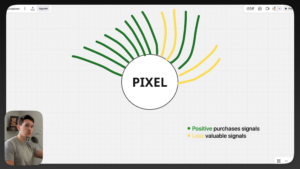
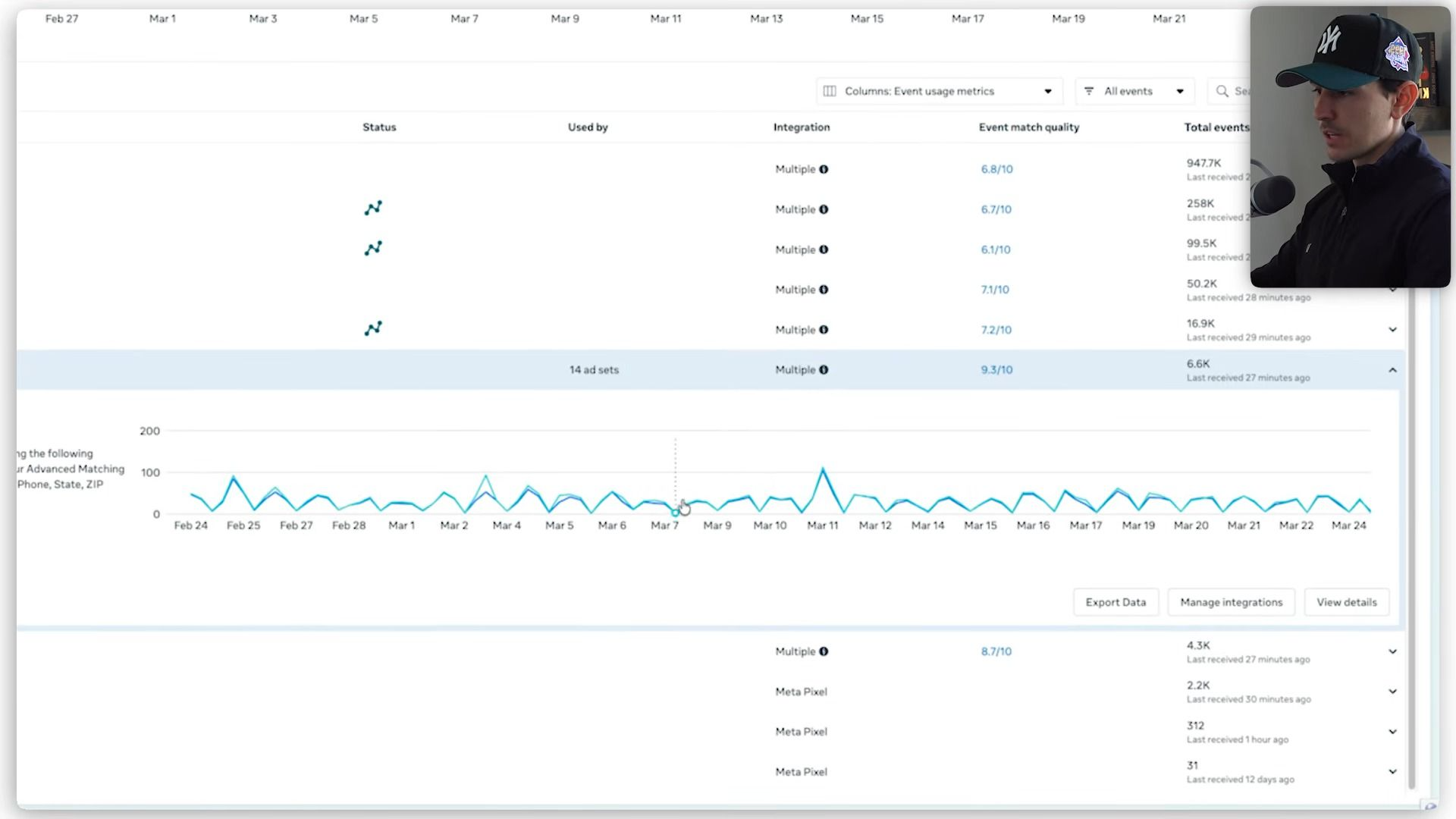
Go to Events Manager, click your pixel, and check the purchase event. You’re looking for parity between the blue line (browser events) and the green line (server events). A gap of more than 10 to 20% is a red flag. Server events should always be higher than browser events. Then cross-reference your server event purchase count against your Shopify numbers. They should match.
3. Check Your CPM, CPC, and CTR
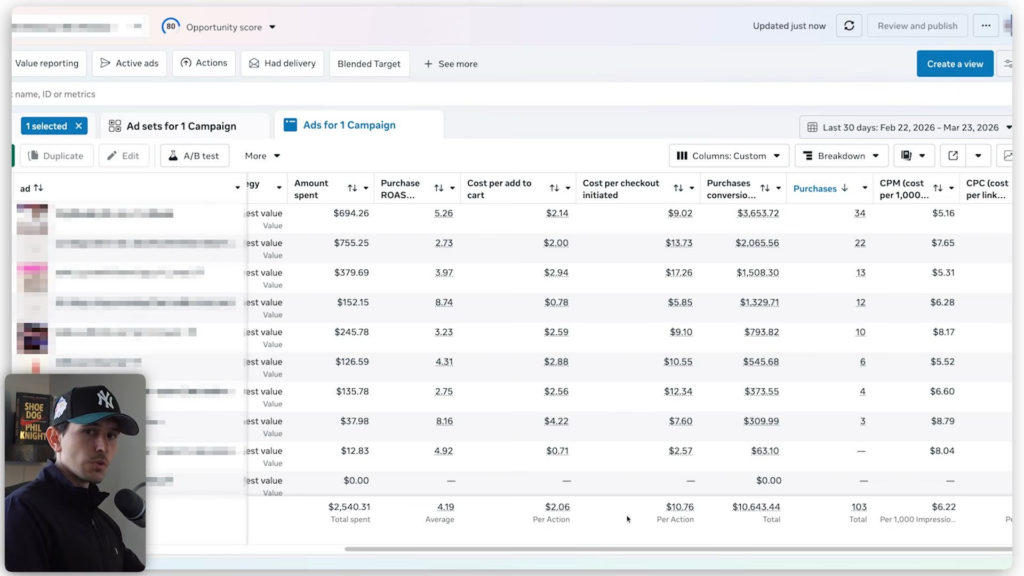
Set up your columns properly. We look at: amount spent, ROAS, purchase conversion value, purchases, CPM, CPC, CTR, frequency, add to carts, initiate checkouts, cost per add to cart, and cost per initiated checkout. Right after launch, the most useful leading metrics are cost per add to cart and cost per initiated checkout. The lower your cost per initiated checkout, the better your ROAS tends to be.
4. Stop Obsessing Over ROAS on Individual Ads
Your focus early on should be account-wide performance, not individual ad performance. You’re paying an early tax. You simply don’t know what’s going to work yet. Accept that the early days will look rough. That changes when you start finding winning creatives.
5. Run Advanced Breakdowns
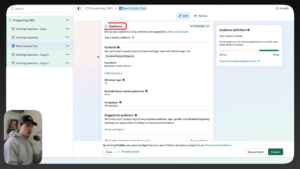
In Ads Manager, click Breakdown and go through four views: audience segments, age, placement, and platform. Then check gender. These tell you if your spend is going to the right people. If you’re a brand that should be selling to 65-plus but all your spend is going to 18 to 24 year olds, something needs to change.
6. Be Very Careful About Pausing Ads
Look at the trend across big accounts. Alex Hormozi went from a couple hundred ads to over 4,000. Athletic Greens went from 200 to 500 ads to over 7,800. Arctic Cool went from around 100 ads to over 2,000. The trend is up, not down. A good rule: if your overall account is hitting its KPI, don’t pause anything. If it’s not, only pause an ad that has spent twice your target CPA without a single purchase.
7. Create Winning Iterations
Once you have data, take your highest-spending ads that are hitting your targets and make iterations of them. Think of the early phase as throwing spaghetti at the wall. Now that something has stuck, go deep on it. Take what’s working and build more versions of it.
8. Build Home Runs by Studying Competitors
Use the Facebook Ads Library or a tool like Magic Brief. Sort by performance to find the ads that have run the longest and have the most impressions. Look for patterns, shared themes, and templates across multiple ads. Then adapt those for your own business.
9. Know Precisely When to Kill an Ad
Leading indicators like add to carts, initiate checkouts, cost per click, and CTR can tell you if purchases are coming soon. Also remember that a high-spending ad might be a supportive ad. If you kill it, the whole account could suffer. Instead of hard pausing, consider setting spend thresholds to soften the impact.
10. Build a Consistent Weekly Rhythm
Pick one day a week to upload new creatives. Pick a separate day for your deep dive analysis. For us, that’s Monday for uploads and Thursday or Friday for deep dives. That’s when we look into the weeds, evaluate everything, and build the creative plan for the following week. Consistency here keeps the account moving in the right direction.
11. Have a Scaling Plan
Be prepared for good times and be prepared for great times. One of the biggest mistakes advertisers make is only increasing spend 10 to 20% even during their best periods. Meanwhile, competitors are doubling, tripling, quadrupling down when something is working. They’re taking advantage of seasonality, offers, and trends. Word of mouth is the single unmeasurable factor in advertising, and the more customers you have, the more people are talking about your business. Striking when the iron is hot is how accounts grow fast.
The accounts that grow the fastest are not the ones with the best setup. They’re the ones that manage, iterate, and scale with intention after the launch.